winter watering

Ask Joy: “When Can I Stop Watering My Plants?”

One of the questions I hear more than almost any other is: “Joy, when can I stop watering my plants?” Most people assume that once the temperatures drop and plants go dormant, the watering cans can be packed away until spring. But the truth is — your trees and shrubs still depend on you through […]

Ask Joy: “When Can I Stop Watering My Plants?” Read More »

winter watering

One of the questions I hear more than almost any other is:

“Joy, when can I stop watering my plants?”

Most people assume that once the temperatures drop and plants go dormant, the watering cans can be packed away until spring. But the truth is — your trees and shrubs still depend on you through winter, especially if they are young.

Let’s break it down.

Dormant Doesn’t Mean Done

Even though your plants may look like they’re taking the winter off, their root systems continue to function beneath the soil. That means they still require moisture, especially during dry spells.

Who Needs Winter Watering?

If you have:

  • Trees or shrubs less than 3–5 years old,

  • New plantings from this past year, or

  • Any plants installed in drought conditions,

…they still need supplemental watering during winter months.

These younger plants haven’t developed deep, established root systems yet, so they rely heavily on regular moisture to survive their first few winters.

How Often Should You Water in Winter?

A good rule of thumb:

Provide water every 2–4 weeks during winter when the weather is dry and there is no snow or rain.

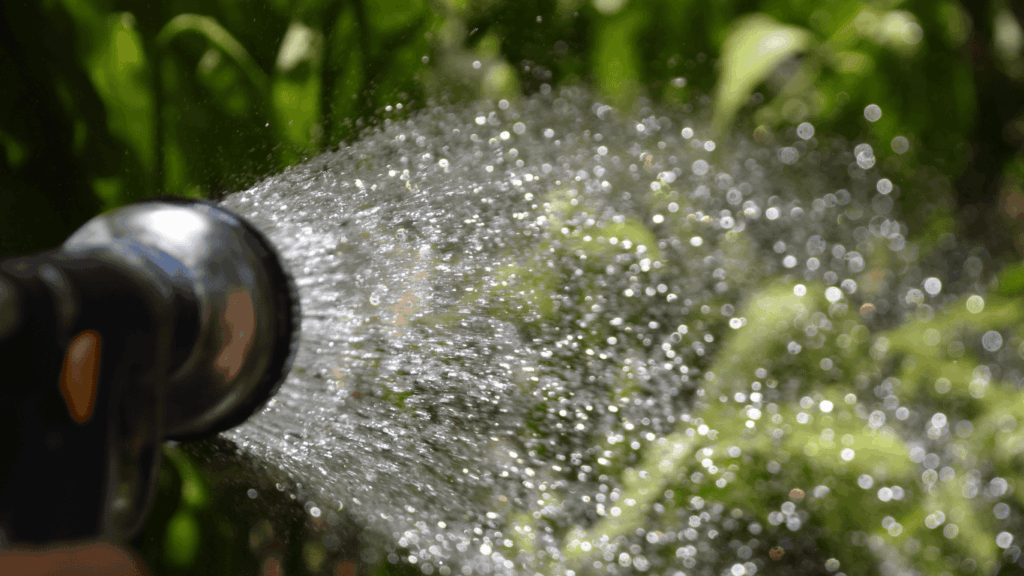
And, just like in summer, the key is deep watering. A slow trickle from a hose at the base of each plant is ideal.


Water During the Warmest Part of the Day

Choose a day when temperatures rise above 40 degrees so the water can soak into the soil before freezing.

Why Winter Watering Matters

Young plants can become stressed or even die over winter if they don’t receive enough moisture. Winter drought is one of the most common causes of plant loss — but also one of the easiest to prevent.

Consistent watering helps your trees and shrubs:

  • Maintain root health

  • Better withstand freezing temperatures

  • Prepare for vigorous spring growth

It’s a small task now that makes a huge difference later.

What About Established Plants?

Once your trees and shrubs reach about 5 years old, they typically have deep, well-spread root systems and can handle winter dry spells more effectively.

However — during unusually warm, windy, or dry winters, even mature plants appreciate the occasional drink.

Final Thoughts from Joy

Winter watering doesn’t have to be complicated. Think of it as helping your plants through their childhood years — once they mature, they’re far more self-sufficient.

If you’re unsure whether your plants are established enough to skip winter watering, I’m always happy to help. Just reach out!

Stay warm, stay hydrated — and keep those plants hydrated too!

Dormant Seeding Your Lawn: Why Winter Is the Perfect Time to Prepare for a Healthier Spring

When the temperatures drop and lawns turn brown, most people assume lawn care is done for the year. But winter offers one of the best opportunities to improve your lawn for the upcoming growing season. This technique — known as dormant seeding — sets the stage for thick, healthy grass as soon as spring arrives.

Dormant Seeding Your Lawn: Why Winter Is the Perfect Time to Prepare for a Healthier Spring Read More »

When the temperatures drop and lawns turn brown, most people assume lawn care is done for the year. But winter offers one of the best opportunities to improve your lawn for the upcoming growing season. This technique — known as dormant seeding — sets the stage for thick, healthy grass as soon as spring arrives.

If your lawn struggled this year due to heat, foot traffic, pests, or thinning, dormant seeding may be exactly what it needs.

What Is Dormant Seeding?

Dormant seeding is the process of spreading grass seed when soil temperatures are too cold for germination. The seed remains dormant through winter and naturally germinates once soil warms in early spring.

This gives your lawn a jump-start on growth before weeds wake up — leading to a denser, healthier yard.

When Should You Dormant Seed?

Timing is everything.

For dormant seeding to work properly, you want the soil to be consistently below 40°F, so the seed won’t germinate too early.

Ideal Dormant Seeding Window

  • Mid-November through early March

  • The key is ensuring there won’t be a warm streak that could trigger seed germination before the next freeze.

This winter window varies slightly by climate, but the rule is simple:
Cold soil now = green grass later.

How to Dormant Seed Your Lawn

1. Prepare the Area

Good seed-to-soil contact is crucial. Start by prepping the lawn:

  • Mow to 1.5 inches

  • Rake thoroughly to remove:

    • Leaves

    • Thatch

    • Debris

  • Expose as much bare soil as possible

This step ensures that when the seed settles — through snowfall, wind, or freeze-thaw cycles — it has a place to grow.

2. Spread the Seed Evenly

Using a broadcast or drop spreader, distribute the seed following proper application rates.

  • Fescue blend: Approximately 5 lbs per 1,000 sq. ft.

  • Adjust quantities based on your grass type and the size of your lawn.

Tip: Spread seed in two passes (north–south and east–west) for better coverage.

3. Let Winter Do the Rest

Unlike spring seeding, dormant seeding requires no immediate watering.

What happens next:

  • Snowfall helps press seeds into the soil

  • Freeze-thaw cycles naturally “plant” the seed

  • Seeds stay dormant until soil warms in early spring

In spring, once you see germination, you can begin:

  • Light watering

  • Your fertilization schedule

  • Normal lawn care practices

No fertilizer is needed until the new grass has sprouted and established.

Why Choose Dormant Seeding?

Dormant seeding offers several advantages:

  • Earlier spring germination than traditional spring seeding

  • Stronger roots because seedlings are established before heat arrives

  • Thicker turf that naturally chokes out weeds

  • Ideal moisture conditions — winter and early spring provide more natural precipitation

Plus, it’s easier now since yard activity is low and weeds aren’t competing.

Need Help Improving Your Lawn This Spring?

Dormant seeding is one of the best ways to set your lawn up for success — but timing and preparation matter.

If you’d like help assessing your lawn, choosing the right seed, or scheduling spring follow-up care, we’re here to help.

Reach out to the experts at Blue Sparrow Lawn & Landscape and get your lawn on track for a greener, healthier spring!

Bagworms

Bagworms: What They Are and Why October is the Time To Act

If you’ve noticed small, pinecone-like bags hanging from your trees and shrubs, you might be dealing with bagworms — a common pest that can cause significant damage to evergreens and other plants across Missouri. Understanding their life cycle and how to manage them can help protect your landscape from future infestations. What Are Bagworms? Bagworms

Bagworms: What They Are and Why October is the Time To Act Read More »

Bagworms

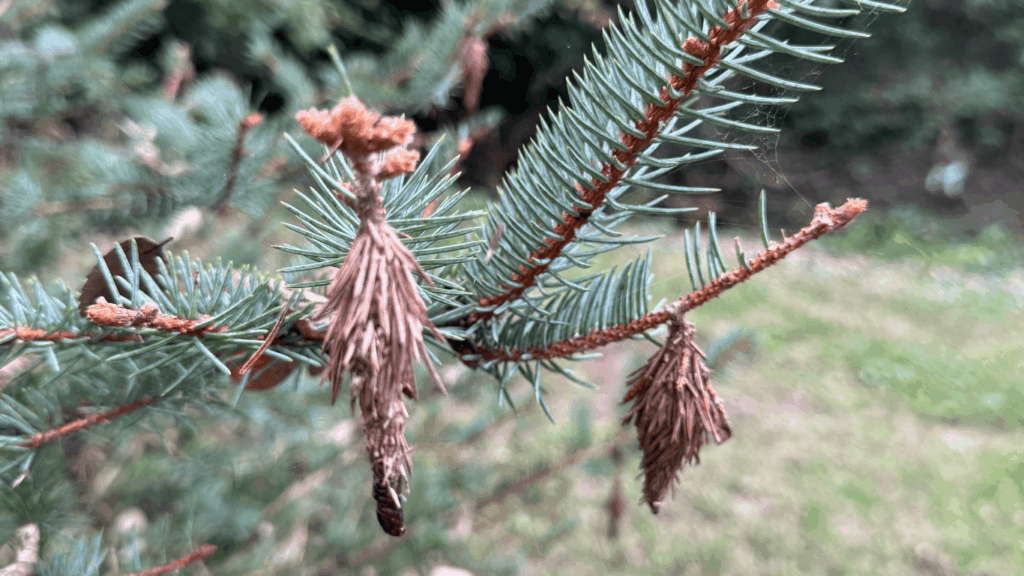
If you’ve noticed small, pinecone-like bags hanging from your trees and shrubs, you might be dealing with bagworms — a common pest that can cause significant damage to evergreens and other plants across Missouri. Understanding their life cycle and how to manage them can help protect your landscape from future infestations.

What Are Bagworms?

Bagworms are the larvae of a moth species that construct distinctive silk bags covered with bits of leaves, twigs, and needles. These camouflaged homes hang from branches and serve as both protection and shelter. While they might look harmless, each bag can contain hundreds of eggs that will hatch the following spring, restarting the cycle.

Why October Is the Right Time to Act

By October, bagworm larvae have stopped feeding and sealed themselves into their bags to pupate and lay eggs. This makes fall the best time to remove and destroy the bags before the next generation hatches.

Overwintering:
The eggs inside these bags will survive through winter and hatch in late May or early June. Removing the bags now prevents hundreds of new larvae from emerging in the spring.

Prevention:
Early removal breaks the life cycle — it’s a simple, eco-friendly step that dramatically reduces infestations for the coming year.

How to Identify and Remove Bagworms

Step 1: Inspect Your Plants
Check trees and shrubs for hanging, pinecone-like bags. They are often about 1–2 inches long and blend in with foliage.

Step 2: Remove the Bags
Use scissors or pruning shears to clip the bags off branches. For smaller infestations, manual removal is often all you need.

Step 3: Destroy the Bags
Don’t leave them on the ground! Place the collected bags into a sealable plastic bag filled with soapy water to drown the eggs. Alternatively, tightly seal and dispose of them in the trash.

Step 4: Stay Vigilant
Inspect your plants again in late spring and early summer to catch any new infestations before they spread.

Life Cycle Summary

  • Late May–June: Eggs hatch, and larvae begin feeding on leaves and needles.

  • Summer: Larvae continue feeding, causing significant defoliation.

  • Early Fall: Larvae stop feeding, pupate, and lay eggs within their bags.

  • Winter: Eggs overwinter inside the bags until they hatch the following spring.

Pest Management Tips

  • Check plants regularly to detect infestations early.

  • Remove bags by hand in fall or winter before eggs hatch.

  • Use pesticides responsibly — insecticides are only effective in early summer when larvae are actively feeding.

  • Consult professionals if an infestation becomes severe. Blue Sparrow can assess your landscape and apply targeted treatments to keep your trees and shrubs healthy.

Take Action Now

Bagworms may be small, but the damage they cause can be significant if left untreated. October is the best time to stop their life cycle and protect your landscape for the next growing season.

If you’ve found bagworms on your property, contact Blue Sparrow Lawn & Landscape — we’ll help you manage the problem safely and effectively before it spreads.

Windows Lofts Kansas City

Showcase – Windows Lofts Apartments – Kansas City

In 2023, Blue Sparrow Lawn & Landscape was approached by Windows Lofts Apartments in downtown Kansas City to reimagine their outdated landscaping. After a few planning meetings, the project was temporarily put on hold due to budget constraints. But in early 2025, we were able to move forward and bring a fresh, modern look to

Showcase – Windows Lofts Apartments – Kansas City Read More »

Windows Lofts Kansas City

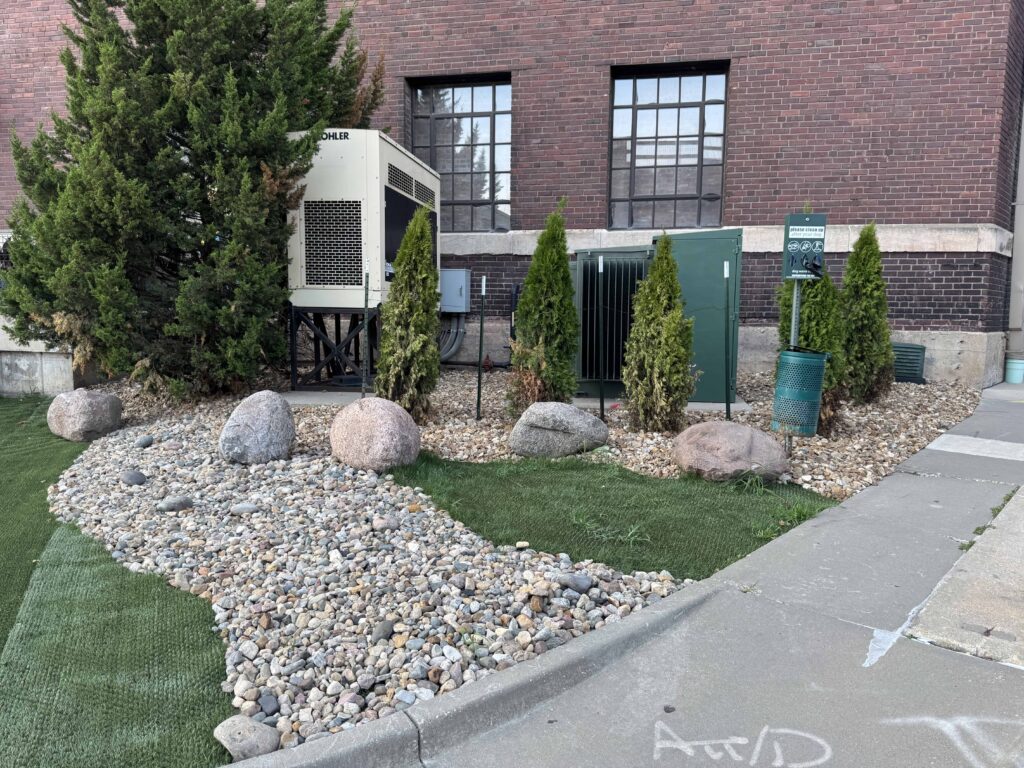
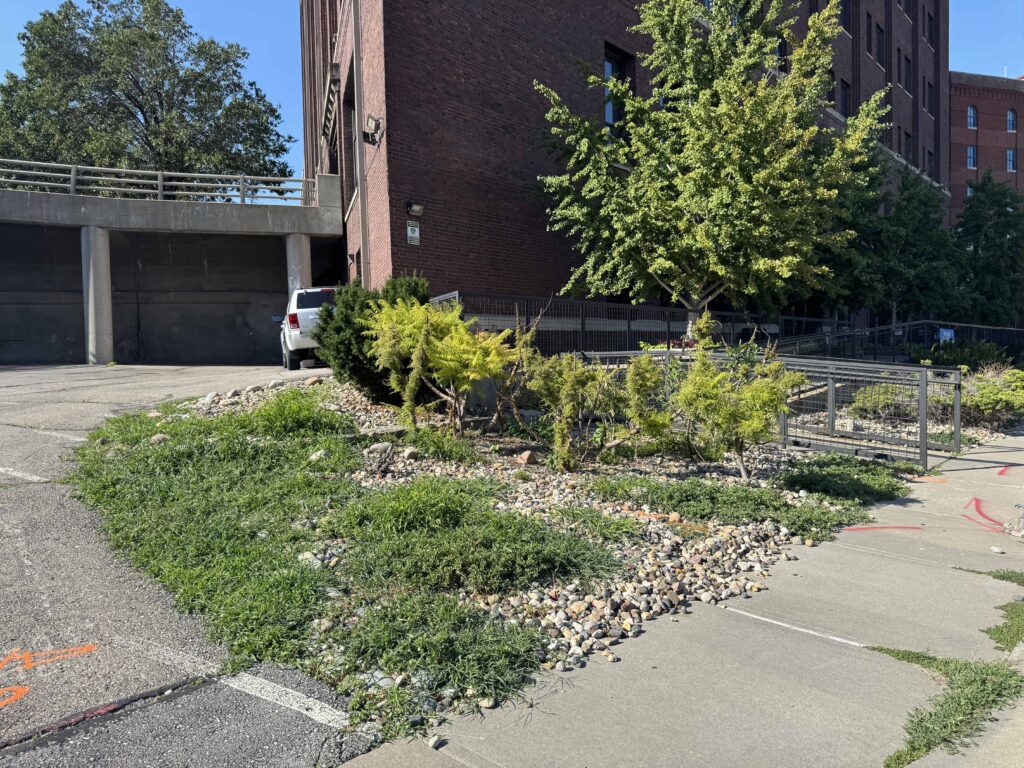
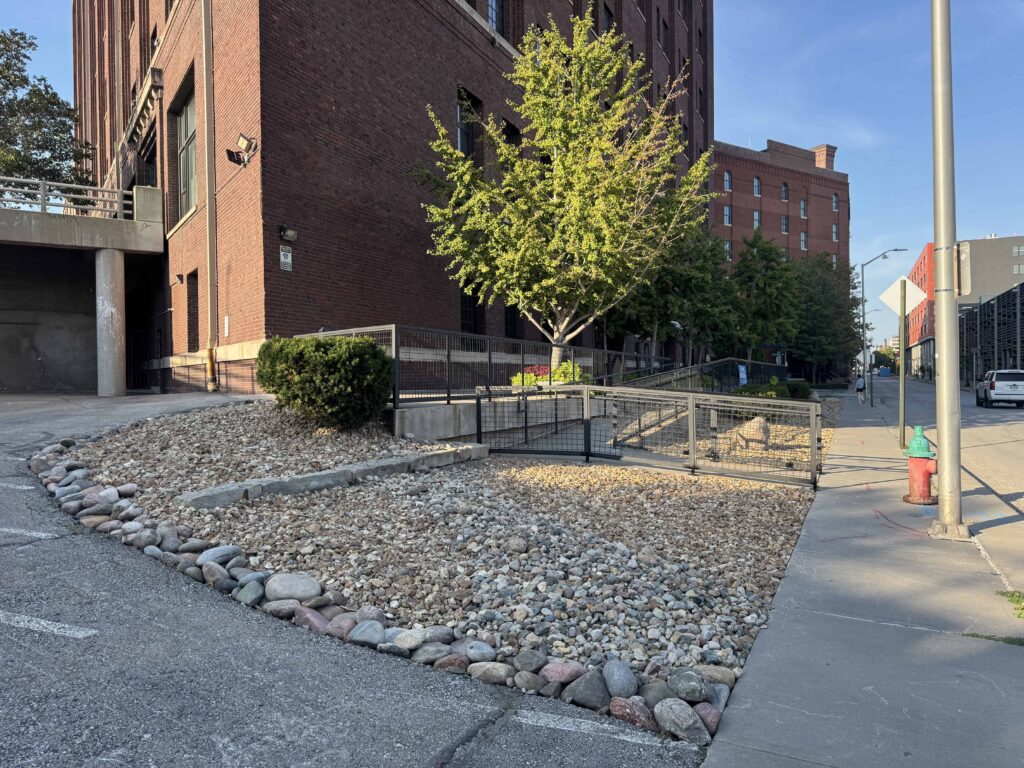
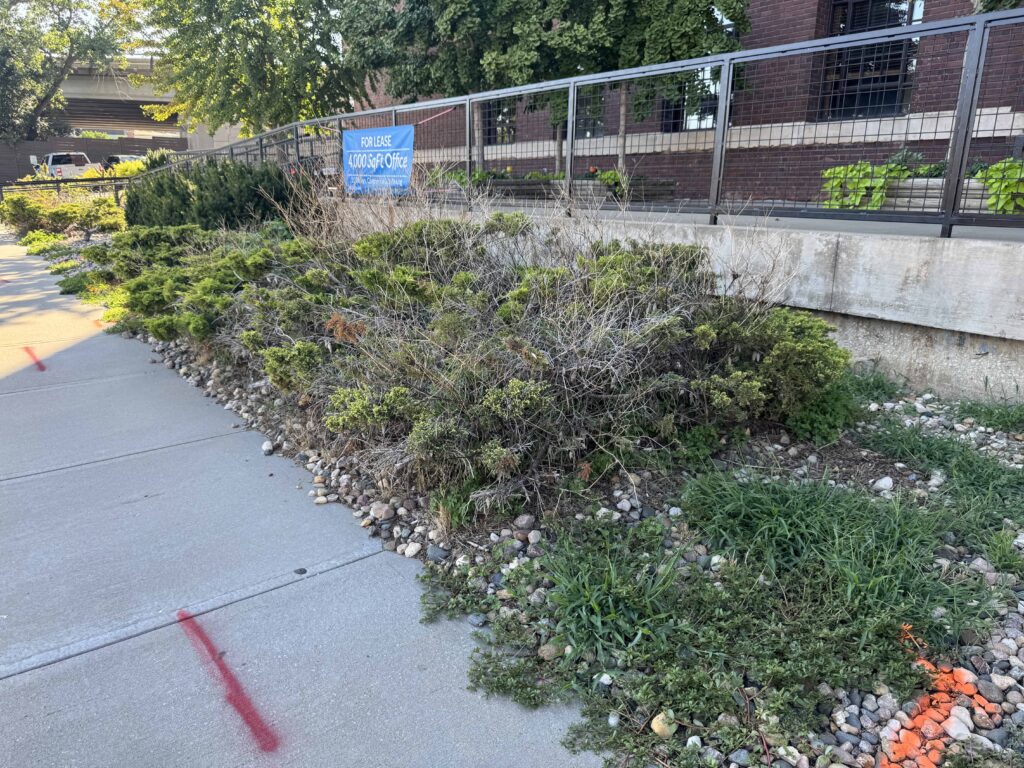
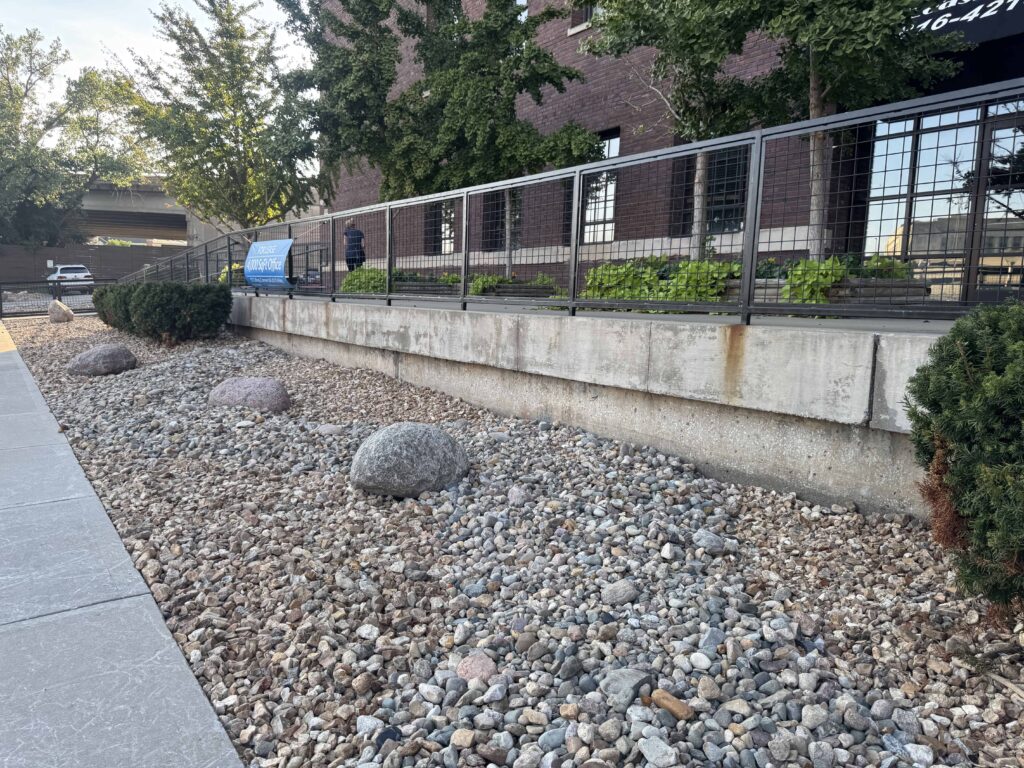
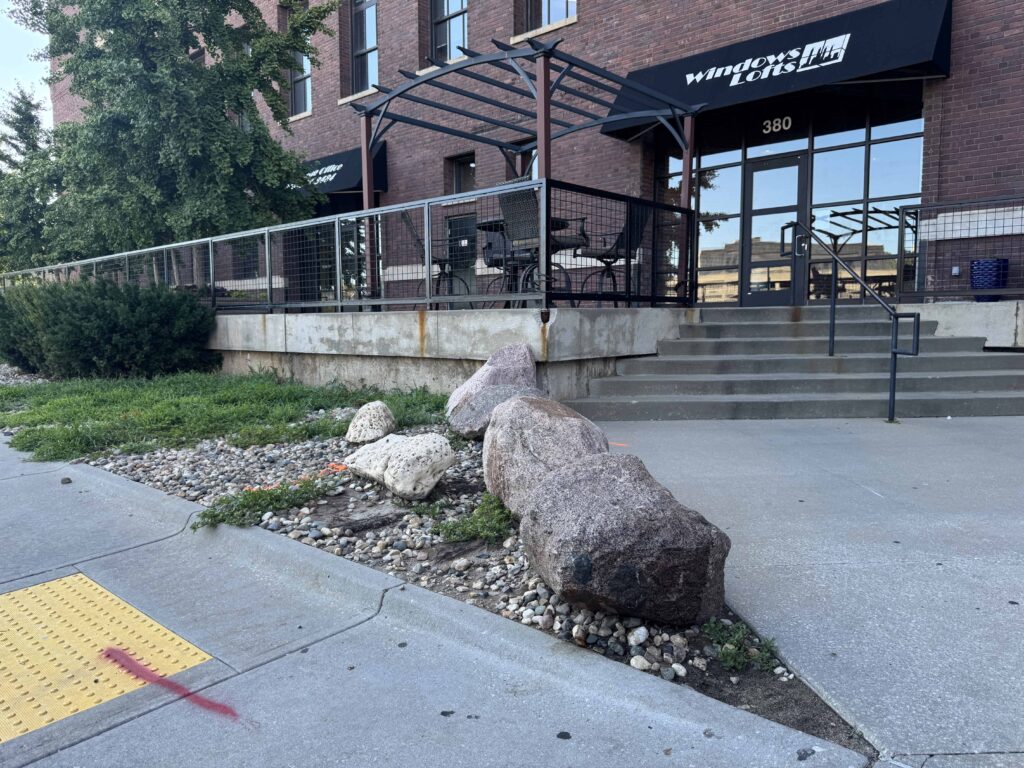
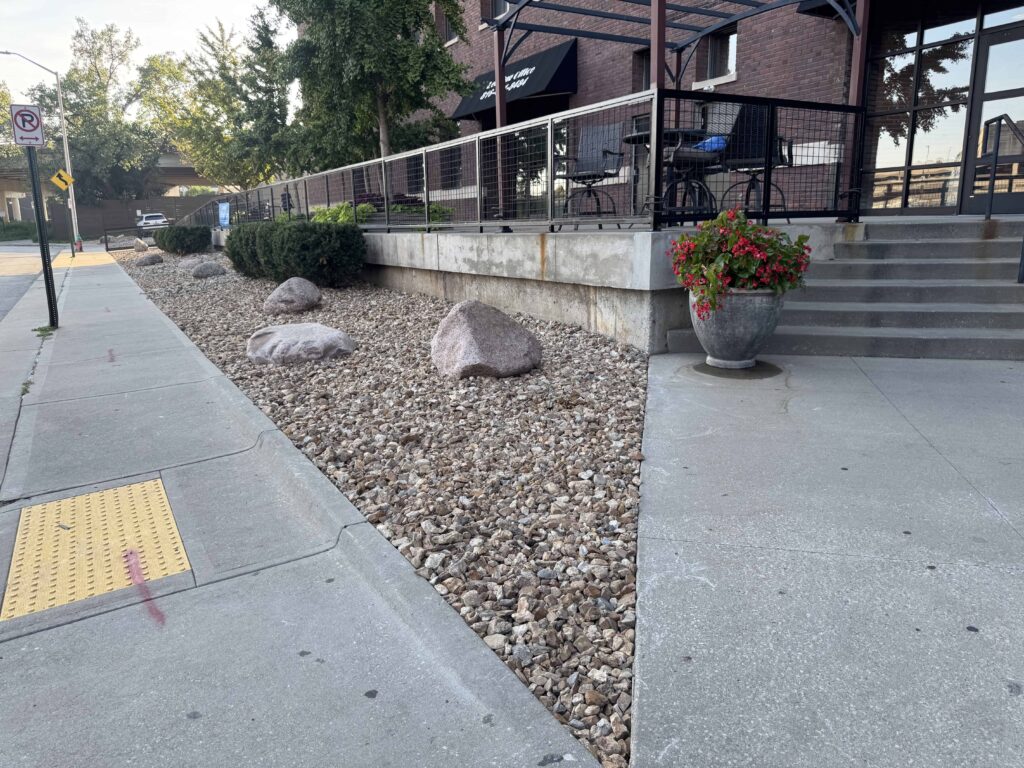
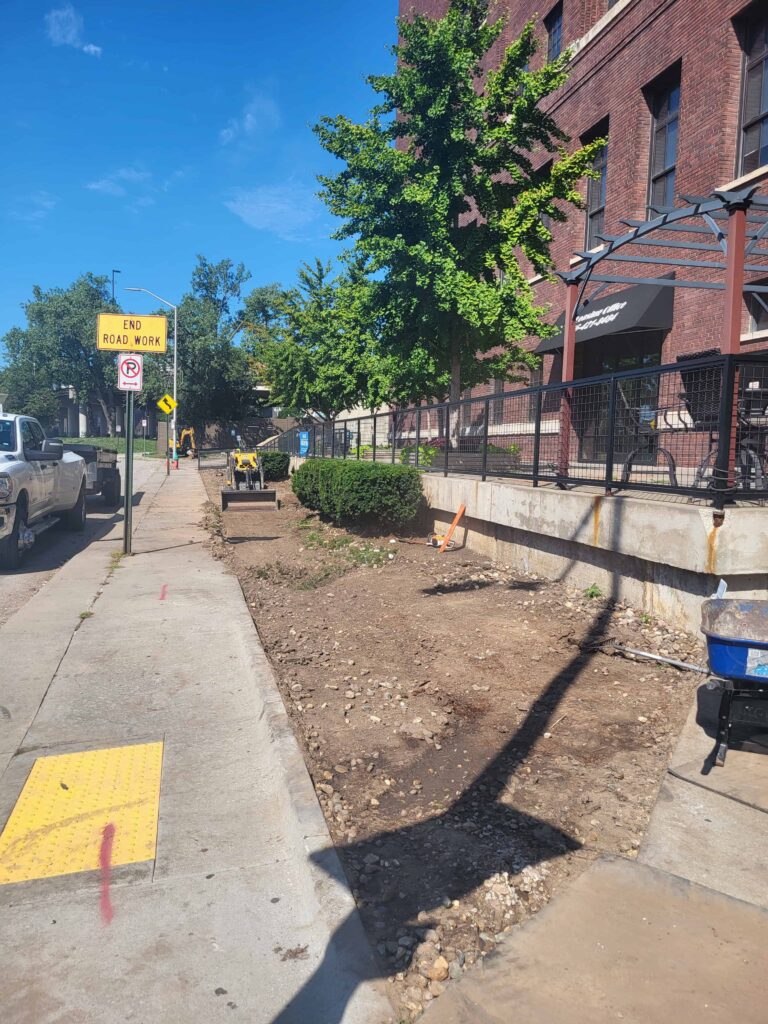
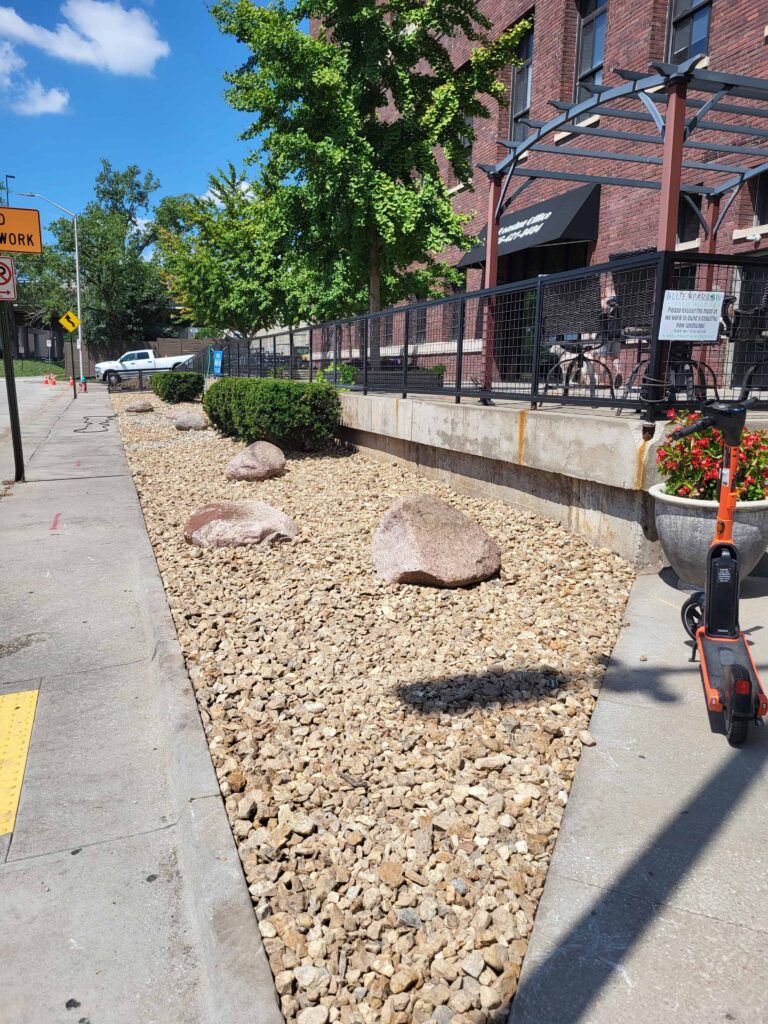
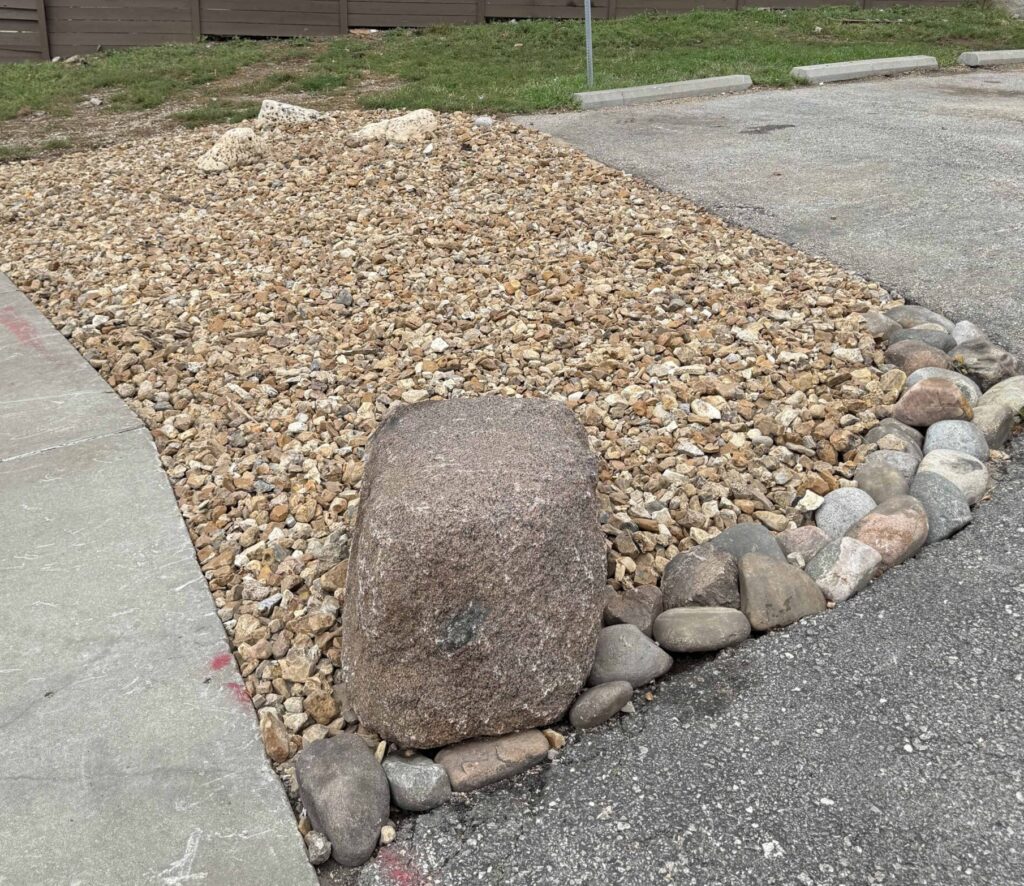
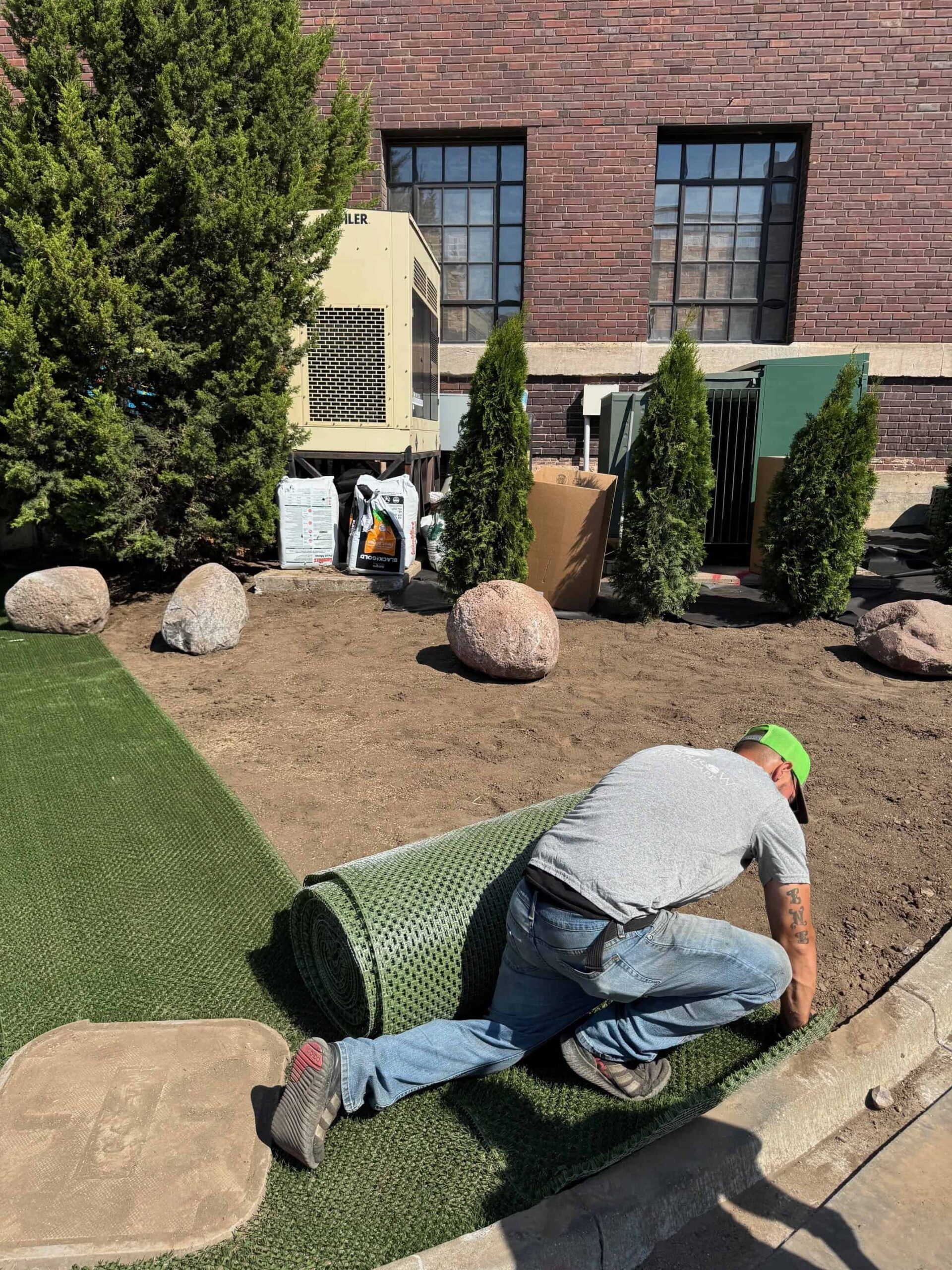
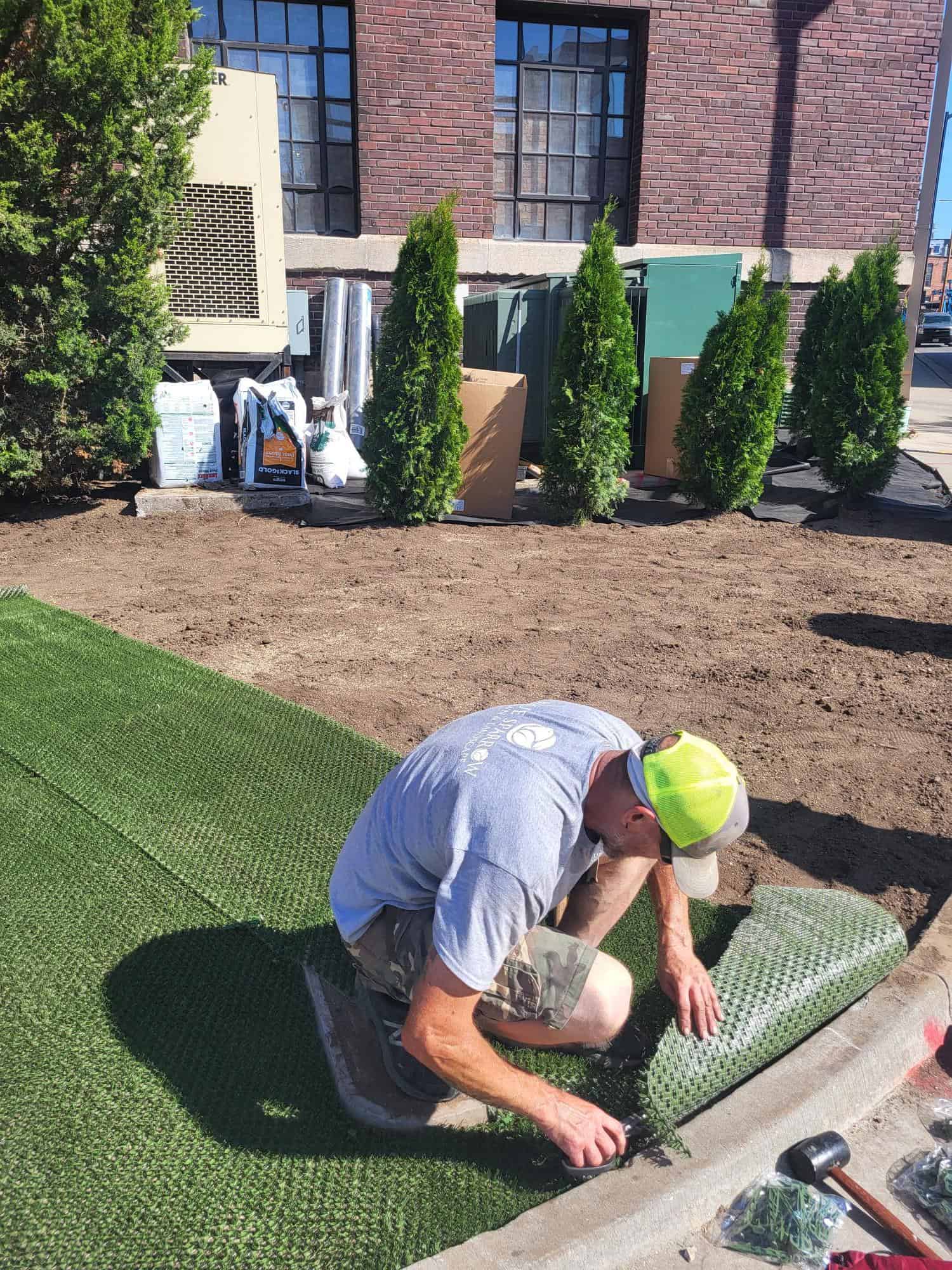
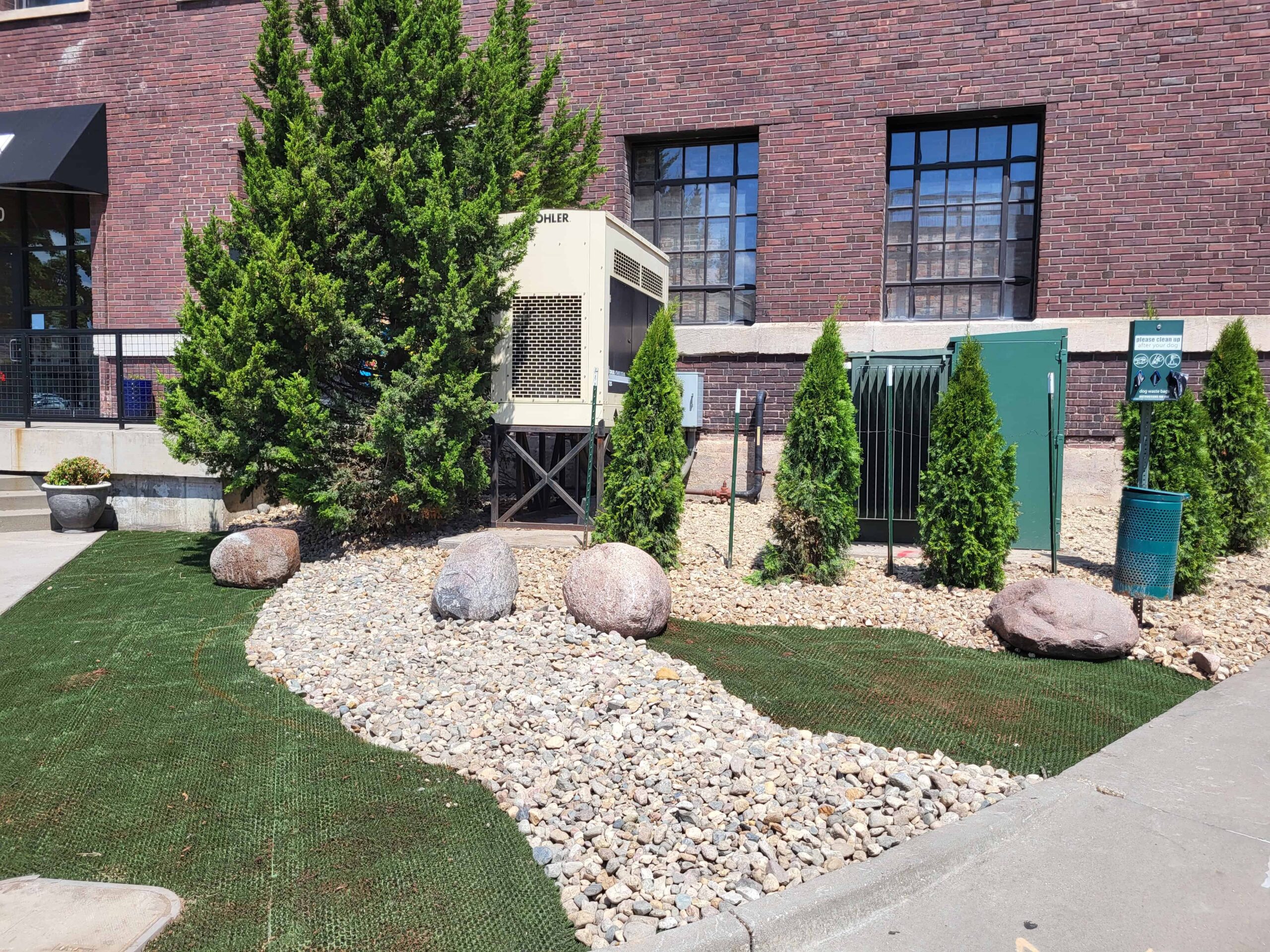
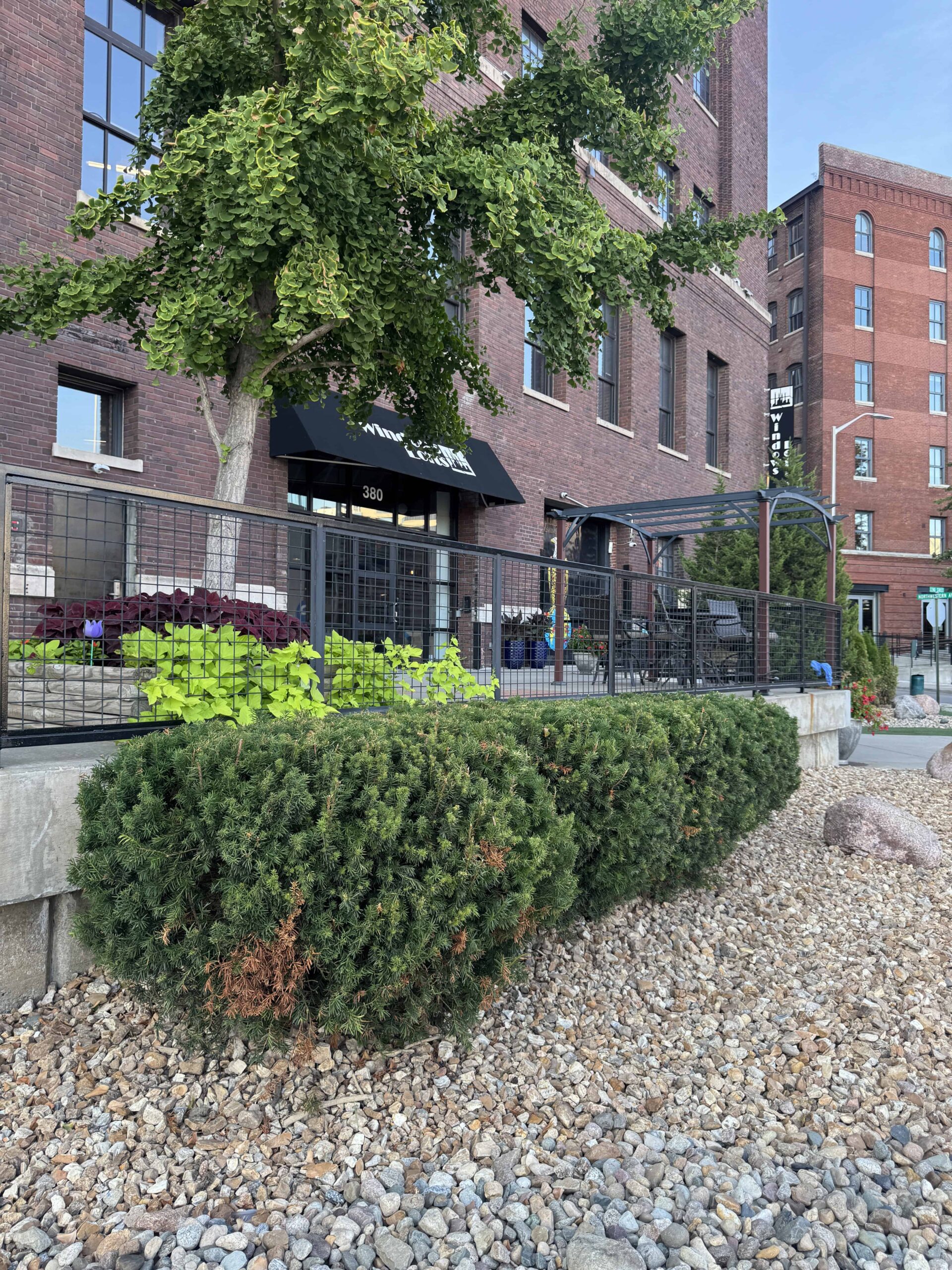
In 2023, Blue Sparrow Lawn & Landscape was approached by Windows Lofts Apartments in downtown Kansas City to reimagine their outdated landscaping. After a few planning meetings, the project was temporarily put on hold due to budget constraints. But in early 2025, we were able to move forward and bring a fresh, modern look to the property’s front landscaping.

A Unique Challenge: The Pet Station

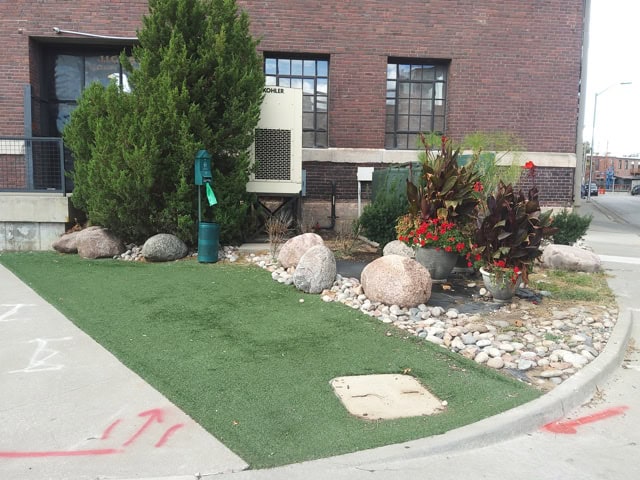
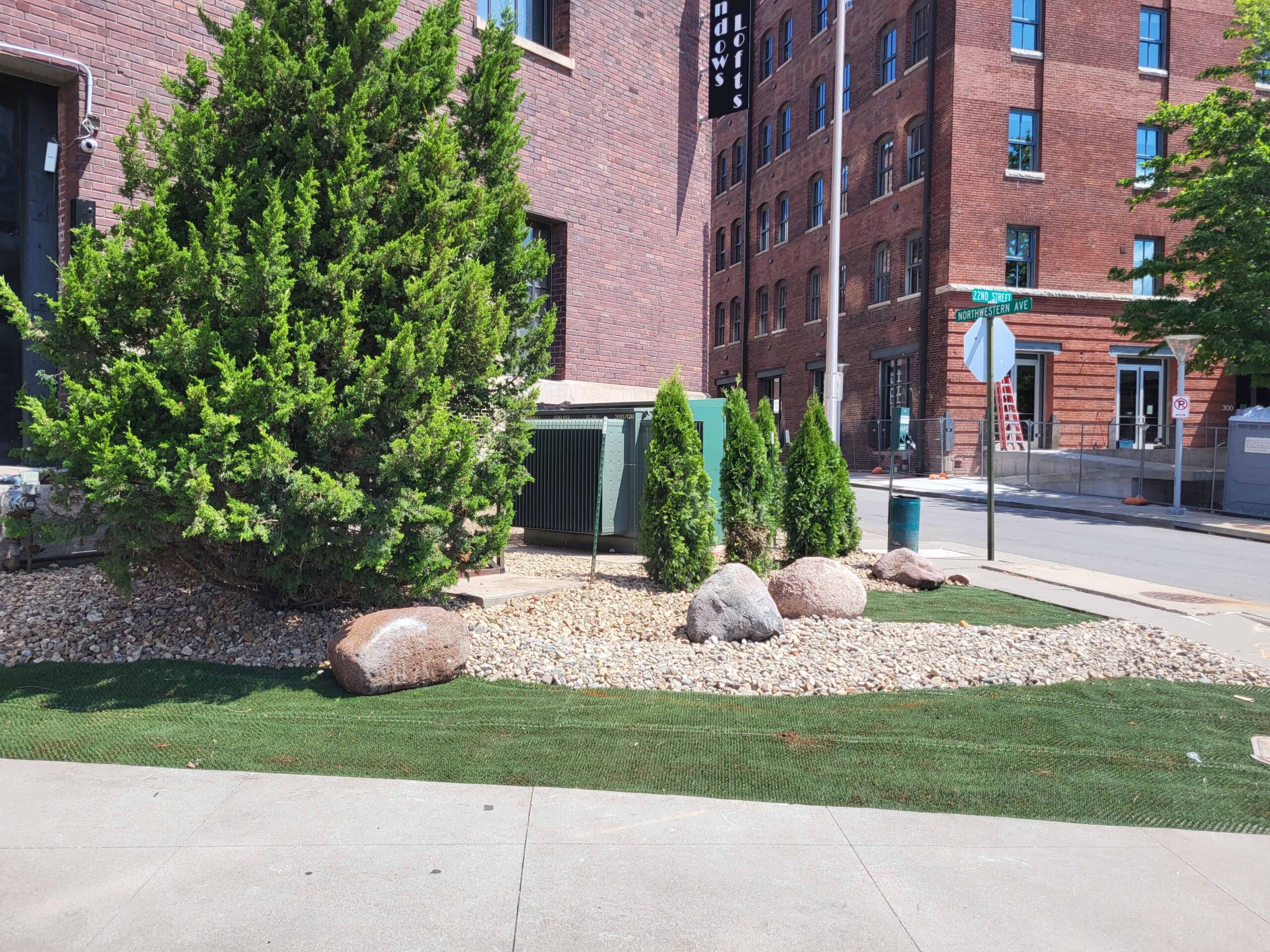
One of the most interesting aspects of this project was redesigning the apartment’s pet station. The original area sat along a curb that often flooded during heavy rain, leaving the artificial turf soggy and unusable.

Our team partnered with Grass Worx to install NATURA hybrid turf, a system that allows natural grass to grow through it while still handling heavy pet traffic. This innovative solution keeps the space looking natural, lets dogs smell the dirt beneath the surface, and eliminates the saturated turf problem. We seeded the area with a fescue blend, creating a low-maintenance, pet-friendly green space that functions just like a normal yard.

Landscape Transformation

In addition to the pet station, we:

  • Removed outdated rock and dying shrubs from the front beds

  • Trimmed and shaped existing trees

  • Installed new shrubs where needed

  • Added over 45 tons of decorative rock to refresh curb appeal

The result was a complete transformation that not only improved the visual appeal of the property but also contributed to resident satisfaction and retention.

Results & Feedback

The project took just seven days to complete, and the feedback from both management and residents has been phenomenal. The updated landscaping has given Windows Lofts a welcoming, polished curb appeal that reflects the energy of downtown Kansas City living.

honeysuckle

What’s Taking Over Your Yard? The Problem with Invasive Bush Honeysuckle

If you’ve noticed fast-growing shrubs with bright red berries and fragrant white or yellow flowers crowding your yard or nearby woods, chances are you’ve encountered invasive bush honeysuckle. While it may look pretty at first glance, this plant is a major threat to Missouri’s landscapes — and now is the time to take action. Why

What’s Taking Over Your Yard? The Problem with Invasive Bush Honeysuckle Read More »
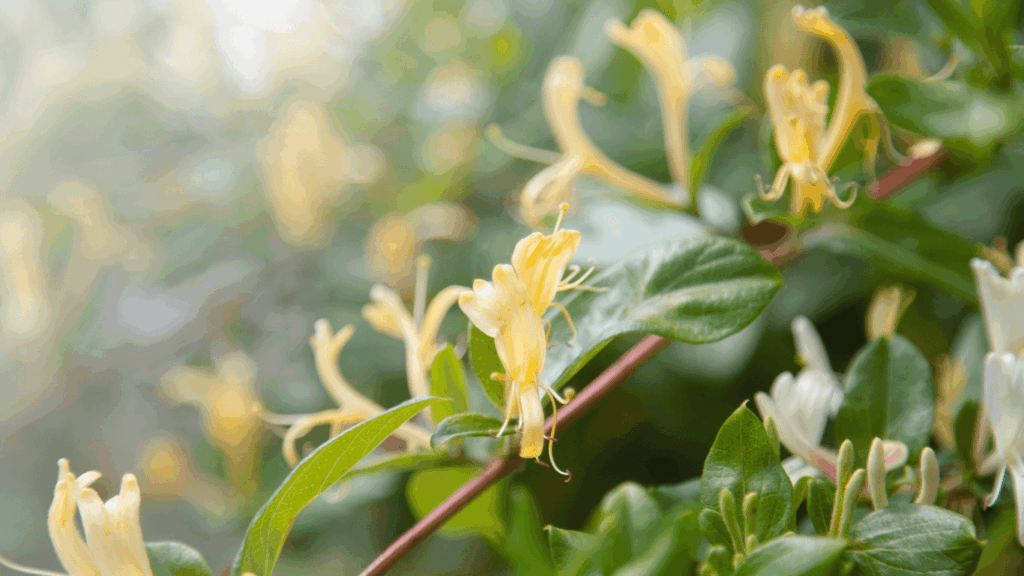
If you’ve noticed fast-growing shrubs with bright red berries and fragrant white or yellow flowers crowding your yard or nearby woods, chances are you’ve encountered invasive bush honeysuckle. While it may look pretty at first glance, this plant is a major threat to Missouri’s landscapes — and now is the time to take action.

Why Bush Honeysuckle is So Invasive

Bush honeysuckle species like Amur honeysuckle and Morrow honeysuckle spread aggressively, quickly outcompeting native plants for sunlight, water, and nutrients. Their dense thickets shade out wildflowers, young trees, and shrubs, reducing biodiversity and leaving little room for beneficial native plants to thrive.

The University of Missouri Extension warns that invasive honeysuckles can also contribute to increased tick populations. Their dense growth provides ideal habitat for small mammals like mice, which are carriers for ticks. More honeysuckle often means more ticks — and greater risk to people and pets.

The Right Time for Removal is Now

Late summer into fall is one of the best times to remove bush honeysuckle. The shrubs stay green longer than most native plants, making them easier to identify. Treating them now ensures they don’t get a head start in spring, breaking the cycle of regrowth.

At Blue Sparrow, we provide professional brush clearing and invasive species management. Simply pulling honeysuckle won’t work, and common herbicides like Roundup won’t kill it. Proper management requires selective herbicides and careful removal techniques to stop honeysuckle at the root.

Alternatives to Plant Instead

If you love honeysuckle but want to avoid the invasive varieties, MU Extension suggests planting fragrant honeysuckle or goldflame honeysuckle, which are non-invasive and beautiful options for Missouri landscapes.

Take Back Your Property

Don’t let invasive bush honeysuckle take over your yard or commercial property. Proactive management not only restores native beauty but also creates a healthier environment for people and wildlife.

Call Blue Sparrow today to schedule honeysuckle removal and protect your property’s natural balance.

nutsedge grass

What Is This Weird Grass in My Yard? Understanding & Eliminating Nutsedge

If you’ve noticed wiry, bright green shoots popping up in your lawn that seem to grow faster than everything else — you might be dealing with nutsedge. Sometimes mistaken for regular grass or weeds, nutsedge is actually a sedge, meaning it’s more closely related to lilies than turfgrass. And while it might look harmless, it

What Is This Weird Grass in My Yard? Understanding & Eliminating Nutsedge Read More »
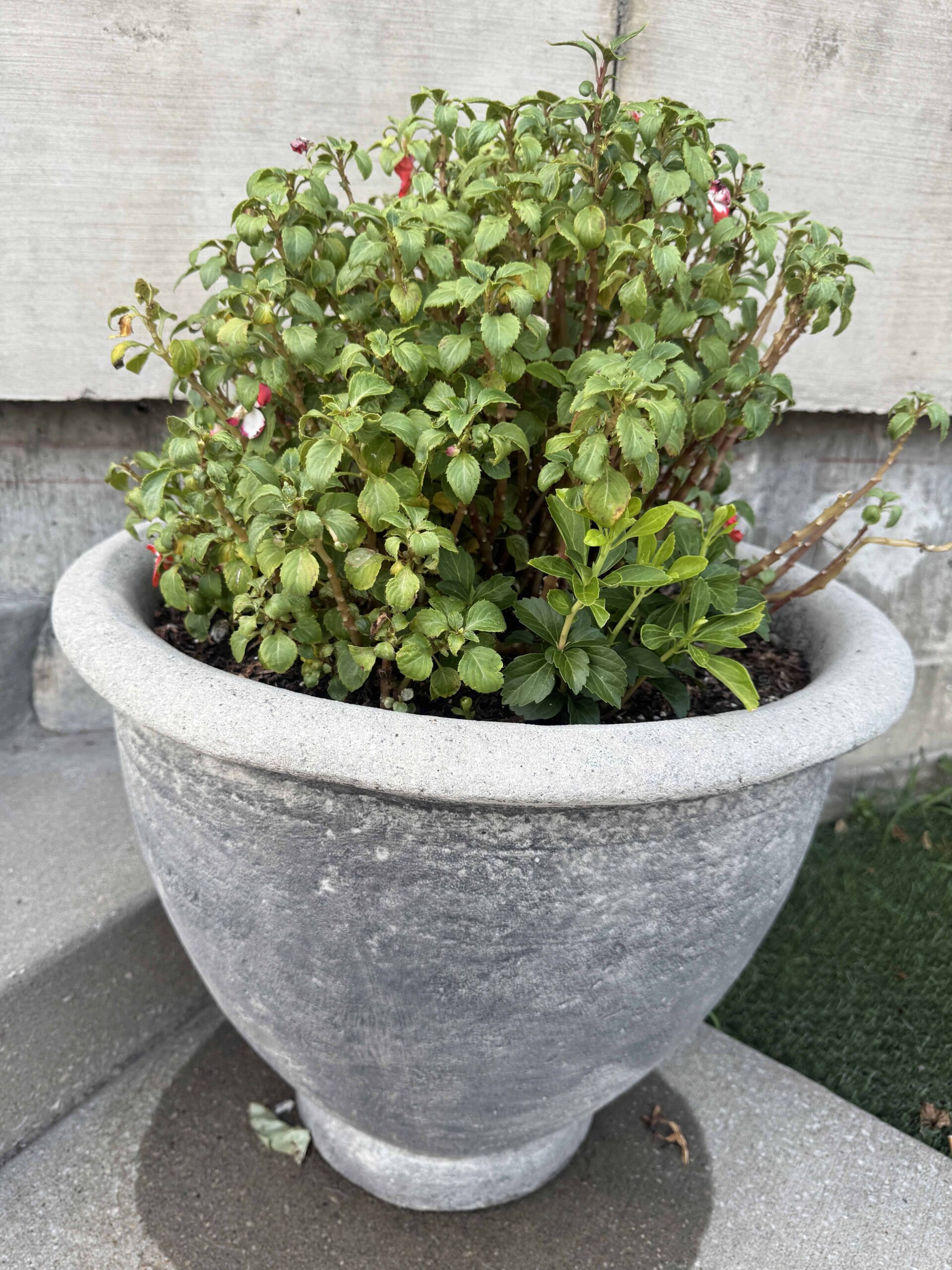
nutsedge grass

If you’ve noticed wiry, bright green shoots popping up in your lawn that seem to grow faster than everything else — you might be dealing with nutsedge. Sometimes mistaken for regular grass or weeds, nutsedge is actually a sedge, meaning it’s more closely related to lilies than turfgrass. And while it might look harmless, it can quickly take over your yard if not handled properly.

What Makes Nutsedge Different?

Unlike normal grass, nutsedge has:

  • Triangular stems (roll one between your fingers — you’ll feel the edges)

  • Glossy, light green leaves that stand upright

  • Rapid growth, often towering above your lawn within days

  • Underground nutlets — tiny tubers that store energy and allow it to regrow even after being pulled

These underground tubers are the main reason nutsedge is so stubborn. If you pull it, you’re likely leaving most of the root system — and the plant will bounce right back, sometimes stronger than before.

Why Pulling or Using Roundup Won’t Work

Many homeowners try the usual weed-fighting tricks — pulling weeds by hand or using glyphosate (Roundup) — but nutsedge doesn’t play by those rules.

  • Pulling leaves the nutlets behind, which quickly sprout new growth.

  • Roundup is non-selective and will kill your grass, but still may not fully eradicate nutsedge, especially if it doesn’t reach the tubers.

The result? You lose healthy grass and the nutsedge keeps coming back.

The Right Way to Get Rid of Nutsedge

Nutsedge requires a selective herbicide — one designed to target sedges without harming your turfgrass. These treatments move through the plant and down into the nutlets, breaking the cycle of regrowth. The key is persistence: multiple treatments spaced appropriately through the growing season will ensure the entire plant is taken out.

Preventing Future Outbreaks

To keep nutsedge from making another unwelcome appearance:

  • Avoid overwatering — it thrives in moist, poorly drained soil.

  • Mow regularly to keep it from seeding.

  • Maintain a healthy, dense lawn to crowd out invaders.

Our Approach to Nutsedge Control

We use professional-grade selective herbicides that effectively eliminate nutsedge while protecting your lawn. We also schedule treatments strategically to make sure we stop both the visible plant and the underground nutlets.

Final Tip: Catch It Early

The earlier you identify nutsedge, the easier it is to control. Regular lawn checks can save you time, money, and frustration. If you suspect you’ve got nutsedge in your yard — don’t wait for it to spread.

Contact us today for an expert inspection and a treatment plan that works. Together, we’ll get your lawn back to looking its best — no weird grass allowed.

outside lighting

Bright Ideas: How Lighting Enhancements Can Transform Your Outdoor Space

Outdoor lighting isn’t just about visibility—it’s about value, safety, ambiance, and making a lasting impression. Whether you’re enhancing your home or commercial property, strategically placed lighting can elevate your space from average to unforgettable. Boost Curb Appeal and Property Value According to landscaping and real estate studies, landscape enhancements alone can increase a property’s value

Bright Ideas: How Lighting Enhancements Can Transform Your Outdoor Space Read More »
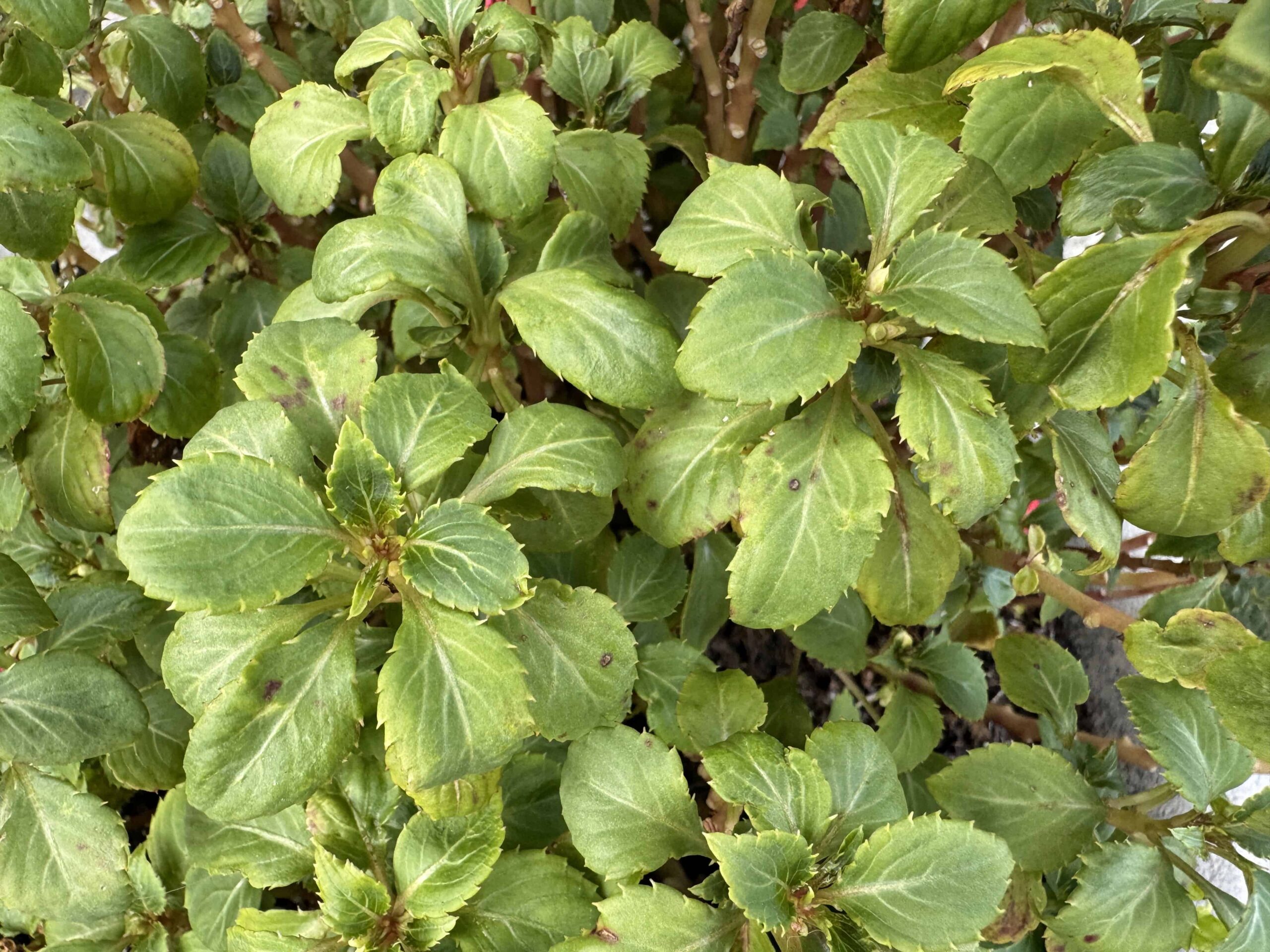
outside lighting

Outdoor lighting isn’t just about visibility—it’s about value, safety, ambiance, and making a lasting impression. Whether you’re enhancing your home or commercial property, strategically placed lighting can elevate your space from average to unforgettable.

Boost Curb Appeal and Property Value

According to landscaping and real estate studies, landscape enhancements alone can increase a property’s value by 10–20%. When you incorporate outdoor lighting into that design—especially to highlight trees, pathways, and architectural details—you can increase perceived value by another 1–3%.

That means thoughtful landscaping with lighting could boost your property’s total value by 15–23%. Not a bad return for something that also makes your space look incredible every evening.

Why Lighting Matters

Lighting enhancements are one of the most impactful (and often overlooked) upgrades you can make. Here’s why:

  • First Impressions Sell
    Buyers often decide how they feel about a property within seconds. A beautifully lit exterior creates emotional impact from the curb.

  • Perceived Care
    Professionally designed outdoor lighting suggests that the homeowner has paid attention to the rest of the property as well—inside and out.

  • Extended Living Space
    Lighting allows you to enjoy patios, gardens, and outdoor entertainment areas well into the evening. It also makes spaces feel larger and more welcoming.
  • Eco-Friendly Appeal
    Today’s smart lighting solutions use LED fixtures and energy-efficient designs, appealing to environmentally conscious buyers and reducing monthly energy bills.


Make Your Home Shine—And Save While You Do It

From soft pathway lighting and dramatic uplighting on trees, to ambient garden lights and architectural spotlights, our team can help you design a plan that suits your space, goals, and budget.

Summer Sale: 20% Off Lighting Enhancements & Fire Pit Installations
Through August, we’re offering 20% off all lighting enhancements and fire pit installations. It’s the perfect time to plan your upgrade and take advantage of summer evenings outdoors—while boosting your property’s value in the process.

Ready to get started? Contact us today to schedule your consultation and claim your summer discount!

sawfly caterpillar on a rose petal

Understanding Sawflies: How to Spot, Manage, and Prevent Damage

When it comes to garden pests, sawflies often go unnoticed—until it’s too late. These small but destructive insects can quickly defoliate trees and shrubs if not managed early. Knowing what to look for, how to differentiate them, and what to do next can help keep your landscape healthy and thriving. What Are Sawflies? Despite their

Understanding Sawflies: How to Spot, Manage, and Prevent Damage Read More »
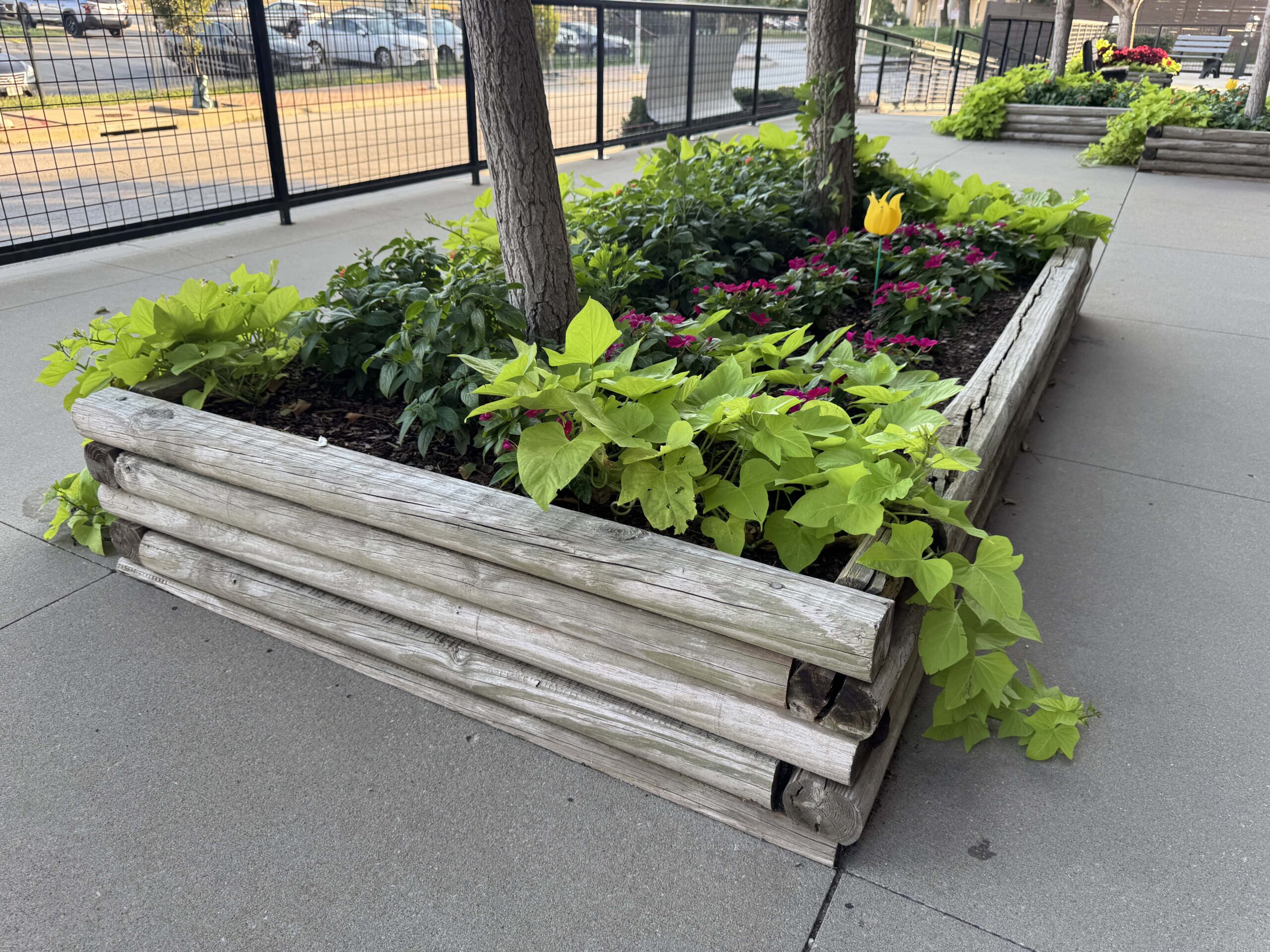
sawfly caterpillar on a rose petal

When it comes to garden pests, sawflies often go unnoticed—until it’s too late. These small but destructive insects can quickly defoliate trees and shrubs if not managed early. Knowing what to look for, how to differentiate them, and what to do next can help keep your landscape healthy and thriving.

What Are Sawflies?

Despite their name, sawflies are not true flies. They are actually members of the wasp family (Hymenoptera) and get their name from the saw-like structure females use to lay eggs into plant tissue.

To make things a little more confusing, two very different types of insects are often lumped under the term “sawfly”—leaf-feeding sawflies and wood-boring sawflies. Both can cause damage, but their behaviors, appearance, and management techniques differ.

1. Leaf-Feeding Sawflies

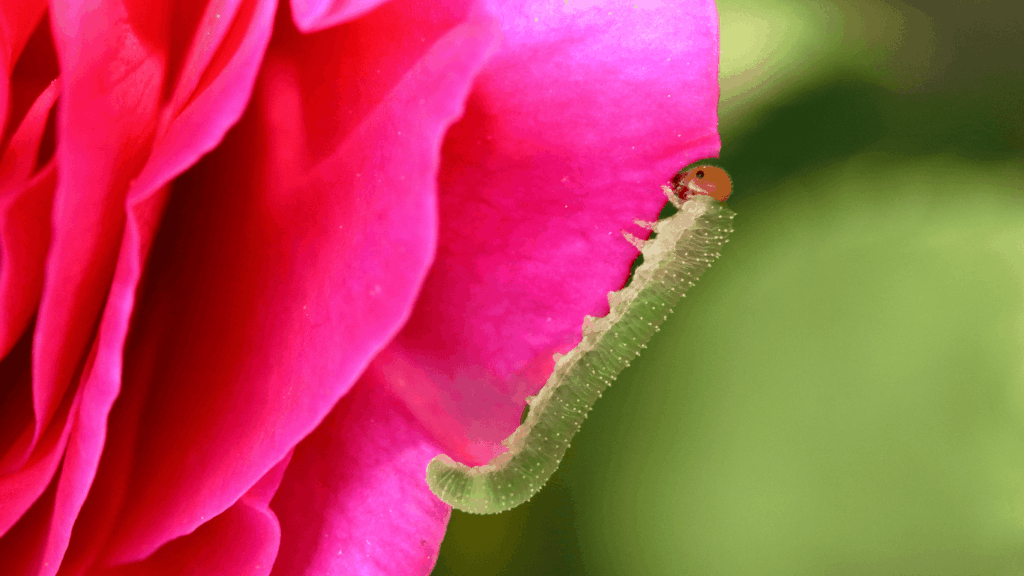
These are the most common in home landscapes. The larvae resemble caterpillars but are actually wasp larvae, not butterflies or moths.

Life Cycle:

  • Adult sawflies emerge in spring and early summer to lay eggs on leaves.
  • Eggs hatch into larvae that feed voraciously on foliage for several weeks.
  • Once mature, the larvae drop to the soil to pupate, emerging as adults later in the season or the following spring.

Symptoms:

  • Skeletonized or notched leaves
  • Large groups of larvae feeding in clusters

Rapid defoliation, especially on pines, roses, or fruit trees

2. Wood-Boring Sawflies

These sawflies burrow into tree trunks and branches, especially in stressed or recently transplanted trees.

Life Cycle:

  • Adults lay eggs in bark crevices or directly into stems
  • Larvae bore into the wood and feed internally for months
  • Damage often becomes visible only after significant internal tunneling

Symptoms:

  • Wilting or dieback of branches
  • Small exit holes in bark
  • Frass (sawdust-like debris) around base or on bark

Diagnosing a Sawfly Problem

To confirm a sawfly issue:

  • Inspect leaves and stems closely, especially in spring and early summer
  • Look for small, soft-bodied larvae feeding in groups
  • Count the number of prolegs (sawfly larvae typically have 6 or more, while caterpillars have 5 or fewer)
  • For wood-boring types, monitor newly planted or stressed trees for wilt or boreholes

Early detection is key to effective management.

Pest Management Strategies

Here are some best practices for controlling sawflies in your garden or landscape:

  • Regular Monitoring
    Check plants weekly during active seasons (spring and early summer) for early signs of damage or larvae.
  • Hand Removal
    In small infestations, simply removing larvae by hand or pruning affected branches can prevent spread.
  • Use Insecticides Responsibly
    If treatment is needed, use insecticides labeled for sawflies, not caterpillars. Products with spinosad or insecticidal soap can be effective for young larvae. Always read labels and apply only as directed.

Avoid Overuse
Don’t spray preventively. Insecticides should be used only when necessary and after confirming the presence of sawflies.

Need Help Identifying or Managing Sawflies?

If you suspect a sawfly infestation or want a second opinion before applying treatments, we’re here to help. Contact our team for a professional evaluation and responsible, effective pest management recommendations.

Let’s protect your landscape the smart way—through informed action and early intervention.

pruning

June – Rhymes with Prune: The Best Time for Summer Pruning

As we move into June, it’s the perfect time to get out your pruning shears and tidy up your garden. The phrase “June rhymes with prune” is a great reminder for gardeners to focus on pruning certain plants during this early summer month. Pruning at the right time ensures a healthy, productive garden and encourages

June – Rhymes with Prune: The Best Time for Summer Pruning Read More »
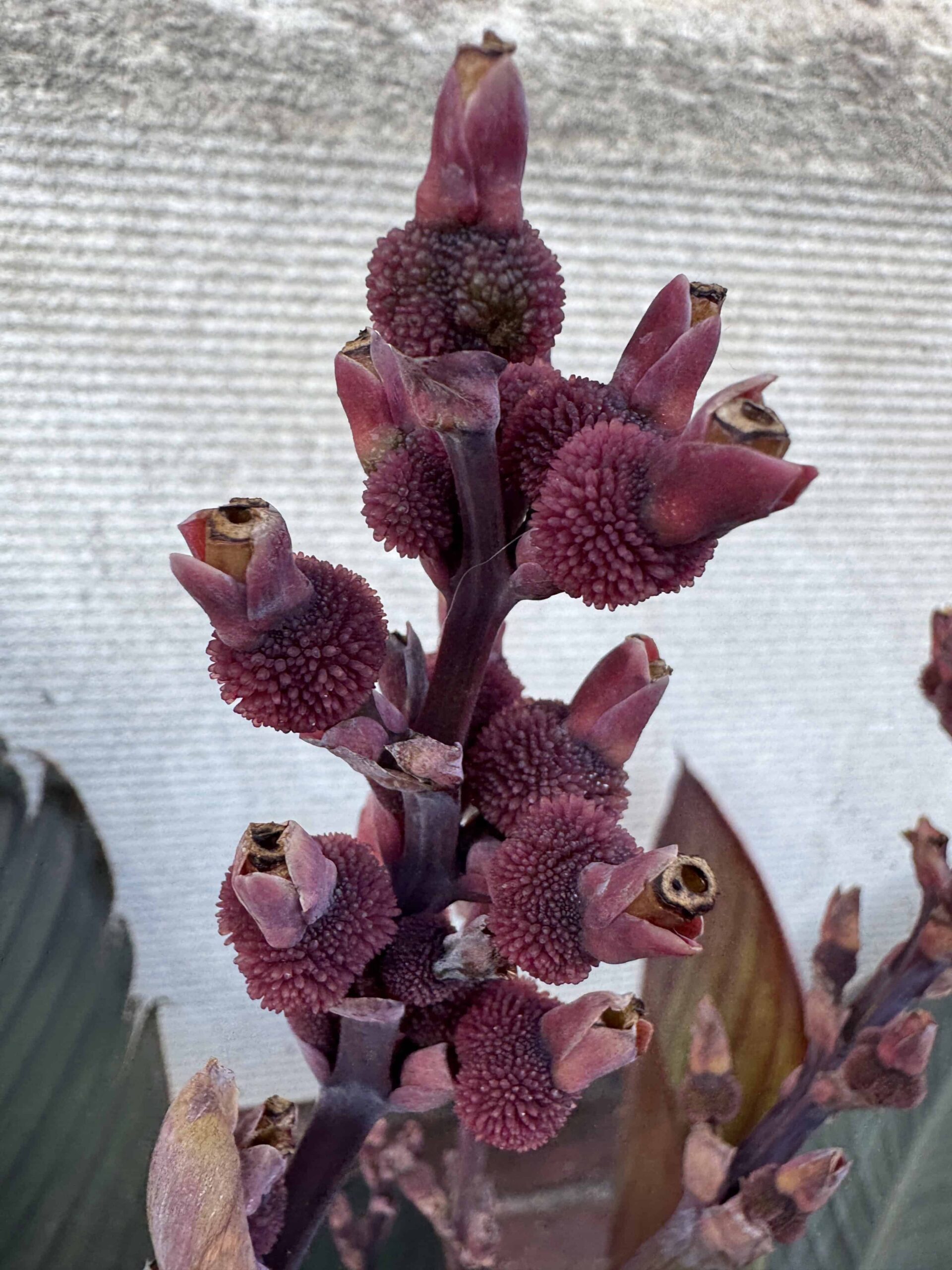
As we move into June, it’s the perfect time to get out your pruning shears and tidy up your garden. The phrase “June rhymes with prune” is a great reminder for gardeners to focus on pruning certain plants during this early summer month. Pruning at the right time ensures a healthy, productive garden and encourages more vibrant growth. Here’s everything you need to know about pruning your plants and shrubs in June.

When and What to Prune in June

A helpful rule of thumb when it comes to pruning is: if it flowers in the spring, prune it right after it flowers in early summer. This ensures the plant has enough time to recover and puts its energy into creating fresh new growth.

Plants such as Lilacs, Azaleas, and other spring bloomers should be pruned right after they finish blooming to encourage new buds and prevent them from becoming too leggy. Removing a portion of the stems during this time allows the plant to branch out and produce more flowers in the long run.

Additionally, upright flowering perennials can be pruned now to keep them from becoming too tall and leggy. By cutting back one-third of the plant’s height, you’ll encourage better branching and more blooms. However, keep in mind that pruning at this time can slightly delay flowering, but it will ultimately lead to a fuller, bushier plant.

As a general guideline, evergreens are safe to prune in June for shaping, or to remove dying branches and new growth.

Pruning Shrubs in Early Summer

Here are some shrubs that benefit from pruning in early summer:

  • Lilacs
  • Azaleas
  • Forsythia
  • Japanese Kerria
  • Weigela
  • Deutzia
  • Mockorange
  • St. John’s Wort
  • Viburnums
  • Ninebark
  • Redtwig Dogwood
  • Yellowtwig Dogwood

By cutting back these shrubs, you’ll not only keep them neat and attractive but also promote stronger growth for next season’s blooms.

Pruning Perennials in Early Summer

Certain perennials benefit from pruning in June as well. Pruning these plants now encourages healthy growth and a more vibrant display of flowers later in the season. Here’s a list of perennials to prune:

  • Joe-Pye Weed
  • Tall Coneflower
  • Bee Balm
  • Catmint
  • Coreopsis
  • Tall Stonecrop
  • Yarrow
  • Balloon Flower
  • Culver’s Root
  • Veronica
  • Russian Sage
  • Salvia
  • Asters
  • Garden Mums
  • Garden Phlox

Pruning these plants not only helps improve their shape but also promotes better flowering throughout the summer.

Pruning Edible Plants

If you have a herb or vegetable garden, early summer is also a great time to prune edibles like:

  • Chives
  • Cilantro
  • Basil
  • Thyme
  • Tomatoes

For herbs like basil and cilantro, regular pruning helps promote fresh growth and keeps the plants from bolting (going to seed) too early in the season. For tomatoes, pinch off any dead or excess stems to encourage better airflow and fruit production.

Pruning Tips for Success

  • Prune Early in the Day: It’s best to prune your plants during the cooler parts of the day to reduce stress on the plant.

  • Sharp Tools Are a Must: Always use sharp, clean pruning tools to avoid damaging your plants. Clean your tools between species to prevent spreading disease and pests.

  • Avoid Hot, Dry Days: It’s important not to prune during hot, dry spells, as this can stress the plants and hinder growth.

  • Don’t Prune Too Late: Avoid pruning early flowering plants after July 4th (other than deadheading), as they may not have enough time to recover before the next growing season.

Conclusion: Prune for a Healthier Garden

June is the perfect time to get your garden in shape by pruning shrubs, perennials, and edibles. Not only will this help your plants look their best, but it will also encourage new growth and a better flowering season. Keep in mind which plants benefit from early summer pruning and which should be left alone for later in the year.

If you’re unsure about the right way to prune or need assistance with your garden, don’t hesitate to contact Blue Sparrow Lawn & Landscape. We’re here to help you maintain a beautiful, thriving landscape year-round!

Boxwood Blight

What is Happening to My Boxwood Shrubs? Understanding Boxwood Blight

If you’ve noticed your beloved boxwood shrubs looking less than healthy, you might be dealing with a condition known as Boxwood Blight. This destructive disease has been affecting boxwoods across the country, including right here in Kansas City and the surrounding Northland areas. But don’t worry! In this blog, we’ll explain what Boxwood Blight is,

What is Happening to My Boxwood Shrubs? Understanding Boxwood Blight Read More »
Boxwood Blight

If you’ve noticed your beloved boxwood shrubs looking less than healthy, you might be dealing with a condition known as Boxwood Blight. This destructive disease has been affecting boxwoods across the country, including right here in Kansas City and the surrounding Northland areas. But don’t worry! In this blog, we’ll explain what Boxwood Blight is, how to recognize its symptoms, and what you can do to diagnose and manage the disease in your garden or landscape.

Overview: What is Boxwood Blight?

Boxwood Blight is a fungal disease caused by the pathogen Cylindrocladium buxicola. This disease primarily affects boxwood shrubs, which are commonly used in landscaping due to their dense foliage, versatility, and aesthetic appeal. Unfortunately, Boxwood Blight has become a growing concern in the Kansas City area and across the U.S. due to its rapid spread and potential to kill infected plants.

Boxwoods are highly susceptible to this disease, which can weaken the plant and cause significant damage if not properly addressed. What makes Boxwood Blight particularly concerning is that it spreads quickly from plant to plant and can be difficult to manage once established.

Symptoms of Boxwood Blight

Recognizing the symptoms of Boxwood Blight early is essential to preventing the disease from spreading throughout your garden or landscape. Common symptoms of Boxwood Blight include:

  1. Rapid Yellowing of Leaves: The first sign of Boxwood Blight is usually the yellowing of the leaves. This happens when the disease disrupts the plant’s ability to photosynthesize, causing the leaves to lose their green color.

  2. Brown or Black Spots on Leaves: As the disease progresses, you’ll notice dark brown or black spots forming on the leaves. These spots may appear water-soaked or have a slightly oily look, indicating the presence of the fungal spores.

  3. Defoliation: One of the most noticeable signs of Boxwood Blight is the shedding of leaves. Affected shrubs will lose their leaves prematurely, leaving behind bare branches, which gives the plant a sparse, unhealthy appearance.

  4. Stem Lesions: Boxwood Blight can also cause lesions on the stems of the plant. These lesions typically appear as dark, sunken areas that can eventually cause the stems to die off.

Fungal Growth: In more advanced cases, a white, fuzzy fungal growth may appear on the undersides of the leaves, particularly in the areas where the disease has spread most severely.

Diagnosis: How to Confirm Boxwood Blight

If you suspect that your boxwood shrubs are affected by Boxwood Blight, it’s essential to get a proper diagnosis to confirm the disease and rule out other potential issues, such as boxwood caterpillar damage or fungal leaf spot.

Here’s how to diagnose Boxwood Blight:

  1. Look for Symptoms: Check for the characteristic symptoms described above, including yellowing leaves, black spots, premature defoliation, and lesions on stems.

  2. Inspect the Plant for Fungus: If you see white fungal growth on the undersides of the leaves or on the stems, it’s a strong indication of Boxwood Blight.

  3. Professional Diagnosis: If you’re unsure, it’s always a good idea to contact a professional landscaper or garden center in Kansas City to help identify the problem. You can also send a sample to a local university extension office or plant diagnostic lab for an accurate diagnosis.

Preventative Measures: If you haven’t had an issue yet but want to prevent Boxwood Blight, consider using disease-resistant boxwood varieties. Regularly inspect your boxwood shrubs and practice good garden hygiene, including removing any fallen leaves and debris, which can harbor fungal spores.

Managing Boxwood Blight

While there’s no cure for Boxwood Blight, early intervention can help prevent it from spreading. Here are some tips for managing the disease:

  1. Remove Affected Plants: If you identify a boxwood shrub that is infected with Boxwood Blight, remove the affected plant entirely, including its roots. Be sure to dispose of the plant in a way that will prevent the spores from spreading (i.e., do not compost the plant).

  2. Sanitize Your Tools: If you’ve been working with infected plants, clean your gardening tools thoroughly with a disinfectant (e.g., bleach solution or rubbing alcohol) before using them on healthy plants. This helps prevent the disease from spreading to unaffected areas.

  3. Pruning and Spacing: Prune any dead or infected branches from healthy plants to improve airflow and reduce the humidity that promotes fungal growth. Ensure that boxwoods are spaced properly to encourage airflow, which will help keep the foliage dry.

  4. Fungicide Treatments: There are fungicides available that can help prevent the spread of Boxwood Blight. Be sure to consult with a local landscaping professional in Kansas City or your garden center to select the best product and apply it correctly.

Replace Infected Plants with Disease-Resistant Varieties: If the damage is severe, consider replacing your boxwood shrubs with varieties that are more resistant to Boxwood Blight, such as ‘Green Velvet’ or ‘Wintergreen’.

Conclusion: Protect Your Boxwood Shrubs from Boxwood Blight

Boxwood Blight is a serious issue for gardeners in Kansas City and surrounding areas, but with the right knowledge and care, you can protect your boxwoods and keep your landscape looking beautiful. Regularly inspect your plants, remove infected ones promptly, and take steps to improve their health with proper care and treatment.

If you need help with diagnosis, treatment, or preventive care for your boxwood shrubs, Blue Sparrow Lawn & Landscape is here to assist. Contact us for professional advice, pruning services, and expert landscaping care to ensure your property remains healthy and vibrant all year long.